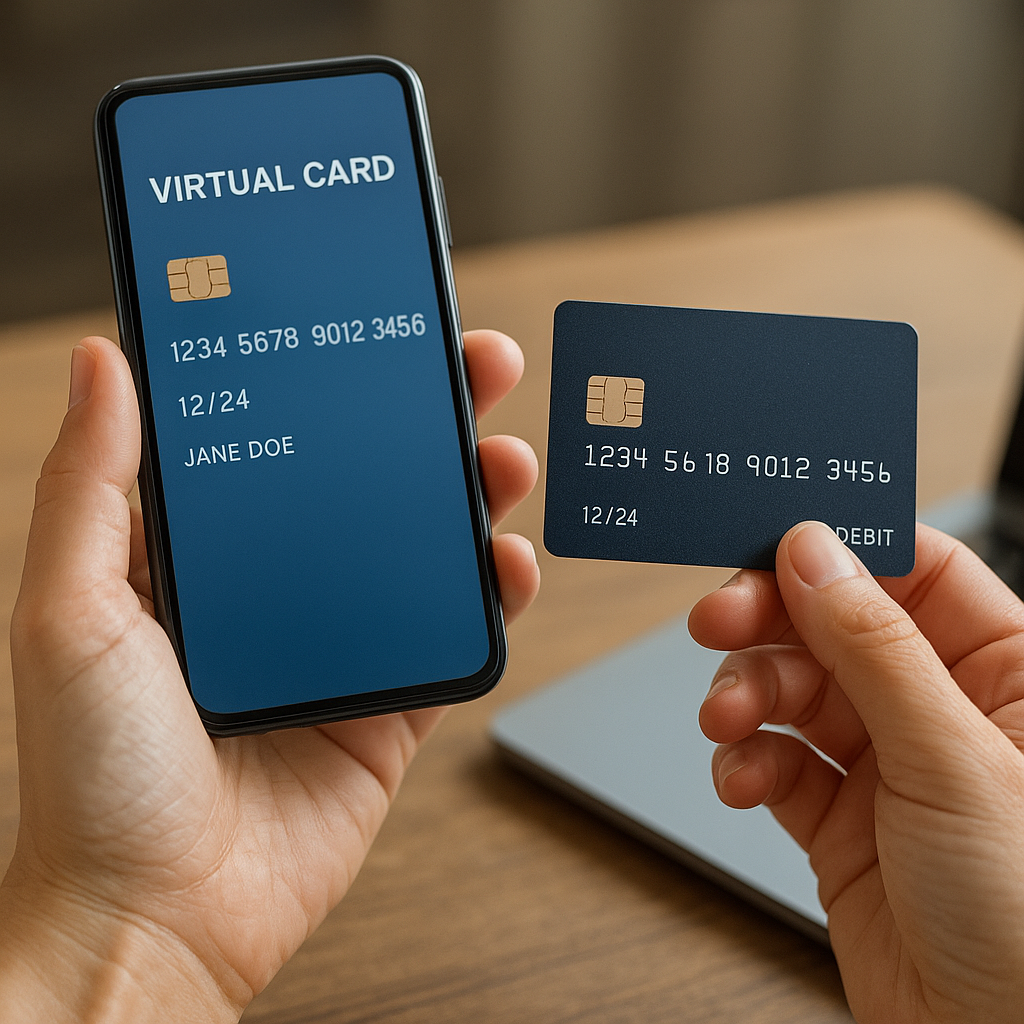
How to get money off a virtual card: Practical Steps for 2026
I have spent the last three years testing dozens of digital payment tools, and one question keeps popping up in my inbox: how to get money off a virtual card without paying ridiculous fees. If you have ever stared at a balance you could not touch, you know exactly what I am talking about. Let us cut through the jargon and walk through what actually works in the current financial landscape.
Understanding Virtual Cards and Basic Routing
A virtual card is just a digital representation of a payment network. It works exactly like plastic, but the sixteen digits live in your phone or browser. You load funds, get a card number, CVV, and expiration date, then spend it online or in apps. The tricky part appears when you want to reverse that flow and move cash back to your checking account. Before diving into steps, you need to know the routing mechanics. Most issuers do not allow direct ATM withdrawals because there is no physical chip. Instead, they rely on ACH transfers, peer-to-peer networks, or merchant refunds.
How to get money off a virtual card: Step-by-Step Breakdown
The process changed dramatically after open banking APIs standardized digital asset routing. Back in the early 2010s, people relied on sketchy third-party brokers or gift card marketplaces. Today, built-in cash-out features are standard across most reputable fintechs. Here is what I actually use when I need liquidity:
- Link your virtual card to a verified PayPal or Venmo account, then initiate a standard balance transfer to your primary bank.
- Use the issuer’s native app to schedule an ACH withdrawal. Processing usually takes one to three business days, but fees drop to zero.
- Send funds to a trusted contact via a P2P app, and ask them to transfer it to your bank directly. Only do this if you know the person well.
- Check if your provider supports debit-to-bank routing. Some modern platforms treat virtual balances as direct deposit sources.
How to get money off virtual prepaid card: Specific Limits and Fees
Prepaid variants work a bit differently. They are not tied to a traditional credit line, so cash-out limits are tighter. I usually recommend checking the fee schedule first. Many platforms charge a flat rate or percentage for instant transfers. If you wait for standard processing, the cost drops significantly. Also, some prepaid issuers require full identity verification before unlocking withdrawal features. Keep your government ID and proof of address ready before attempting a transfer. I learned this the hard way after a transferrring error cost me two days of processing time.
| Method | Processing Speed | Typical Fee | Best Use Case |
|---|---|---|---|
| P2P Bridge | Instant | 0–3% | Small balances under $200 |
| ACH Bank Transfer | 1–3 days | Free | Larger amounts, payroll routing |
| Merchant Refund | 3–10 days | None | Canceled subscriptions or returns |
“The biggest mistake I see is people treating virtual balances like permanent storage. These tools are meant for flow, not hoarding. Move the money when the rate is right, and you will save more than you realize.”
The Shift From Paper to Digital Flow
Twenty years ago, moving money meant standing in line at a bank branch or mailing a paper check. The first generation of prepaid cards in the early 2000s locked funds behind terrible customer service scripts and hidden maintenance fees. Today, digital wallets process millions of transactions daily across North America and the EU. The real transformation came when regulators pushed for clearer disclosure rules around electronic money institutions. What used to require a physical visit now happens with two taps on a screen. The system rewards patience more than shortcuts these days.
For the latest regulatory updates on digital payment routing in the United States, check the Consumer Financial Protection Bureau’s guidance at consumerfinance.gov. European users can reference the European Banking Authority’s framework on electronic money institutions at eba.europa.eu.
Security Protocols and Common Pitfalls
Always verify the routing number matches your bank’s official records before submitting a request. Keep your virtual card details encrypted and never share the full number or CVV outside secure payment gateways. Most reputable providers publish clear withdrawal caps, usually around $2,500 per day for standard accounts. I still recieve questions from guys who load gift-style virtual cards and expect ATM access. That workflow simply does not exist for most modern issuers. Plan your cash flow before topping up, and use the native transfer tools instead of third-party workarounds. Ignoring currency conversion fees if your card operates in a different base currency will drain your balance faster than you expect. Read the terms before loading funds, especially on cards explicitly marked as non-cashable.