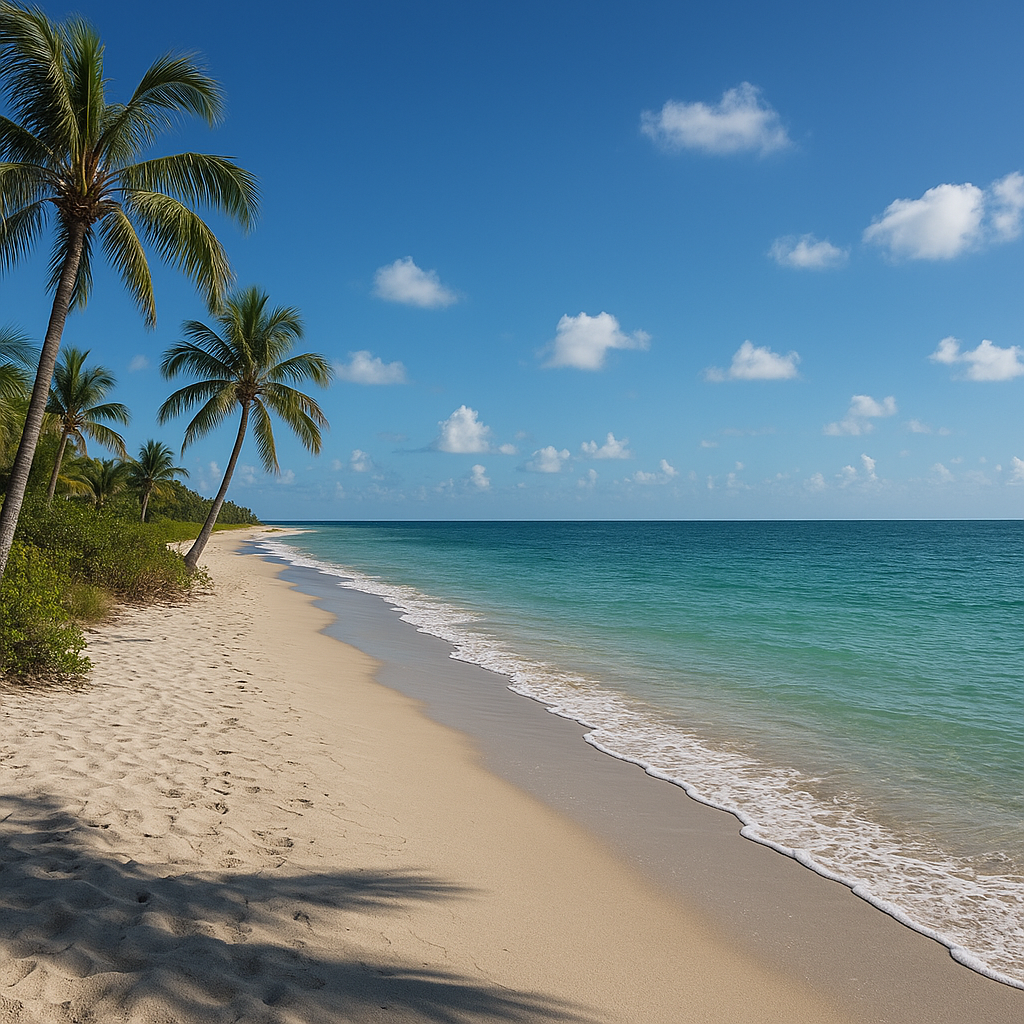
Florida getaways in january: Why Winter Travel Actually Makes Sense
I have spent the last decade chasing warm coastlines, and if you ask me, the calendar flip to January is when the real magic happens. Back in the nineties, escaping north for a winter break meant packing heavy luggage and bracing for packed terminals. Today, the landscape has shifted completely. Flexible work policies, dynamic booking engines, and a deeper understanding of coastal microclimates have turned a once niche snowbird routine into a highly optimized travel window. We are looking at a complex ecosystem where yield management algorithms dictate pricing, and regional weather patterns can swing from brisk Gulf breezes to humid Atlantic sunshine within a single afternoon. If you want to navigate this terrain without burning through savings, you need to understand how the state’s geography actually works during the first quarter.
Exploring the best florida destinations in january
The core problem most travelers face is mismatching expectations with reality. January here is not a monolith. The Panhandle runs noticeably cooler, often dipping into the fifties, while the southern tip stays comfortably in the mid-seventies. This temperature gradient creates a natural sorting mechanism for different trip styles. Solo travelers and remote workers tend to drift toward the Atlantic corridor where co-working spaces and surf culture intersect. Families usually anchor themselves in Central Florida, balancing theme park access with quieter resort zones. The key is recognizing that shoulder season dynamics still apply, even if it feels like peak travel. You will recieve better value when you step away from the immediate coastline and look toward barrier islands or inland lake districts. The crowd density drops sharply after New Year’s, which means shorter lines and easier parking.
- Gulf Coast towns offer calmer waters and slower pacing, ideal for recovery-focused itineraries.
- Atlantic hubs maintain higher energy levels but require strategic booking to avoid weekend surges.
- Inland regions provide consistent temperatures and access to freshwater ecosystems that stay remarkably stable year-round.
Finding the best places to stay in florida in january
Accommodation strategies have evolved alongside the travel market itself. Ten years ago, locking in a rate required phone calls and rigid cancellation windows. Now, algorithmic pricing shifts daily, sometimes hourly. You have to treat lodging as a variable, not a fixed cost. Boutique motels in secondary cities often outperform luxury chains when it comes to authentic local experiences and value retention. The real advantage comes from understanding dynamic pricing models: properties in high-demand zones will raise rates as inventory shrinks, while smaller independents keep prices flat to maintain occupancy. I always recommend checking properties that sit just outside the primary tourist corridors. They usually share the same climate benefits but operate on a completely different pricing tier.
| Region | Avg Jan Temp | Crowd Density | Price Tier |
|---|---|---|---|
| Panhandle & Big Bend | 55-62°F | Low | $$ |
| Central Corridor | 65-72°F | Medium-High | $$$ |
| South Florida & Keys | 70-78°F | High | $$$$ |
| North Atlantic Coast | 58-66°F | Low-Medium | $$ |
Planning practical florida trips in january
Travel pacing matters more than destination selection when the weather turns unpredictable.
Building an itinerary that actually holds together requires respecting the local rhythm. January brings occasional cold fronts that can sweep down the peninsula, temporarily dropping humidity and creating crisp, clear days. These shifts are normal, not anomalies. You should structure your days around solar positioning, since daylight hours are shorter and the sun tracks lower on the horizon. Morning hours work best for outdoor excursions, while late afternoons are better suited for indoor venues or relaxed coastal walks. Booking transportation in advance is non-negotiable, especially if you plan to cross between Gulf and Atlantic zones. The highway infrastructure handles heavy seasonal traffic, but toll systems and rental car availability fluctuate rapidly based on 2026 seasonal calendars.
Maximizing your florida vacations in january
Longer stays require a different approach than quick weekend escapes. The modern traveler needs to account for pacing, hydration, and the subtle shift in local business hours. Many coastal towns operate on a seasonal schedule, meaning some restaurants or tour operators adjust their timetables without heavy marketing. I always map out backup indoor options for any day that brings unexpected wind or rain. The ecosystem here is resilient, but it does not cater to rigid schedules. You will find that slow exploration yields better returns than checklist tourism. If you want to dive deeper into regional planning, check the official tourism portal for real-time updates on trail conditions and seasonal events: Visit Florida Regional Guide. The data changes frequently, so relying on outdated itineraries is a quick way to waste time. You will definatly notice that flexibility remains the single most valuable asset when navigating seasonal shifts. Tracking micro-regions instead of treating the state as one block will save you money and frustration. The infrastructure supports this approach now, with transparent booking platforms and localized forecasting tools that did not exist a decade ago. You just need to adjust your expectations, respect the seasonal rhythms, and let the geography dictate your route.